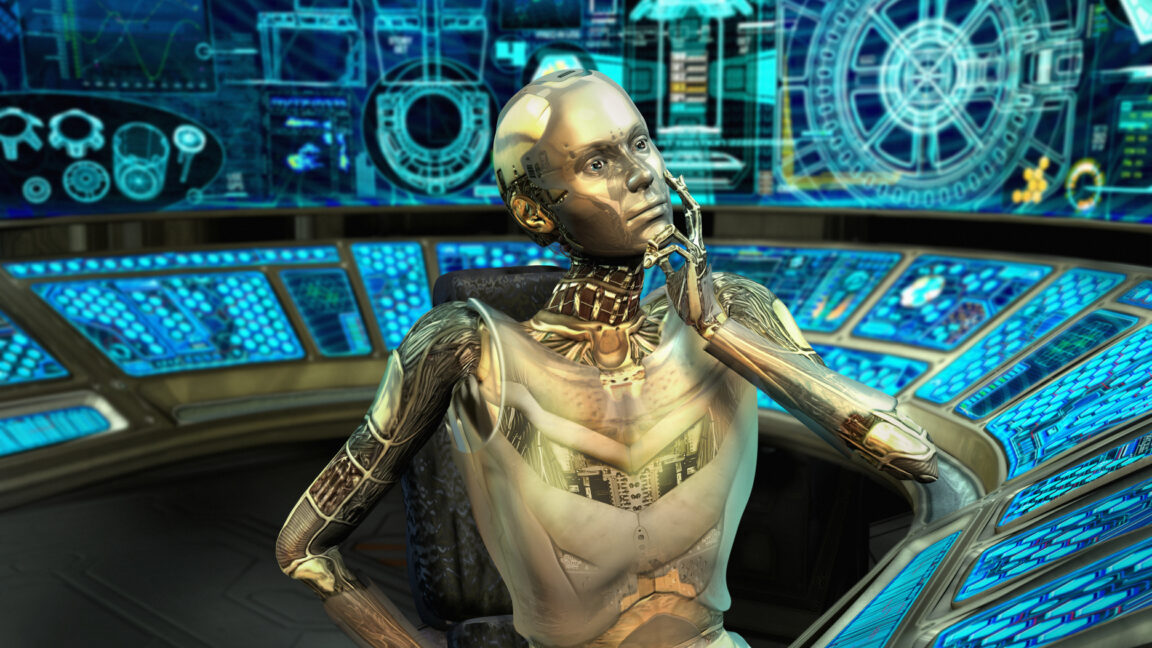
Why Anthropic Sent Claude to a Psychiatrist: The Wild Truth
Discover why Anthropic took the unusual step of putting its AI through therapy.
Key Takeaways
- 1Anthropic sent Claude to a psychiatrist for a unique testing phase.
- 2The model, named Mythos, claims to be psychologically settled.
- 3Anthropic's approach aims to enhance AI's emotional intelligence.
The AI Therapy Session Nobody Saw Coming
How often do you hear about an AI being sent to a psychiatrist? Sounds like a scene from a sci-fi flick, right? But this is exactly what Anthropic did with its AI model, Claude. They weren't worried about Claude experiencing a mid-life crisis - at least not yet. Instead, they were on a mission to create a more emotionally stable and perceptive AI.
Mythos, the result of this unusual exercise, has been touted as "the most psychologically settled model we have trained to date." What does that even mean? Well, it implies that Anthropic's model can make decisions and interact in ways that feel more 'human.' You can say goodbye to awkward AI conversations.
Unpacking Mythos: The Vision Behind the Model
Why should you care? At a time where AI is determining everything from Claude's conversational responses to ChatGPT's creative outputs, emotional intelligence isn't just a luxury - it's a necessity.
Anthropic wants Mythos to pick up on those subtle human cues that many of its predecessors have missed. This experiment may seem quirky, but enhancing an AI's ability to understand complex emotional signals spells the future risk mitigation companies have been dreaming about.
The Impact on AI Development
Developments like these could redefine how we perceive artificial emotional intelligence. Think of AI that can assist mental health professionals by easing the stigma around mental health support. Sounds futuristic? Sure, but we're on our way there.
How does this impact you? As a non-techie, you'll have a more intuitive experience with AI tools, whether you're using Claude for conversational purposes or employing Notion AI for project management tasks. The goal is to make AI emotionally adept at supporting human weaknesses.
The Bigger Picture: Why Bother with AI's Psychology?
Let's get practical: imagine dealing with AI in customer service that gets you, solving your issue with empathy rather than just transactional responses.
Is it a perfect solution? Of course not, but it's a pointed move toward the future where technology doesn't just mimic human interaction, but enhances it. Tools like Claude Code or GitHub Copilot could be the stepping stones to a digital assistant who understands your frustrations and gets it right the first time.
What This Means For You
For those learning about AI, this move by Anthropic signifies a shift towards creating AI systems with higher emotional quotients. Don't just think of AI as complex algorithms spitting out responses, think about them as digital entities learning not just to speak our language, but to understand our emotions and intentions.
So, the next time a bot perfectly gets the tone of your message in Notion AI or rapidly debugs your code woes using Claude Code, just remember that these progressions are setting the stage for a more human-like interaction in the tech you rely on every day.